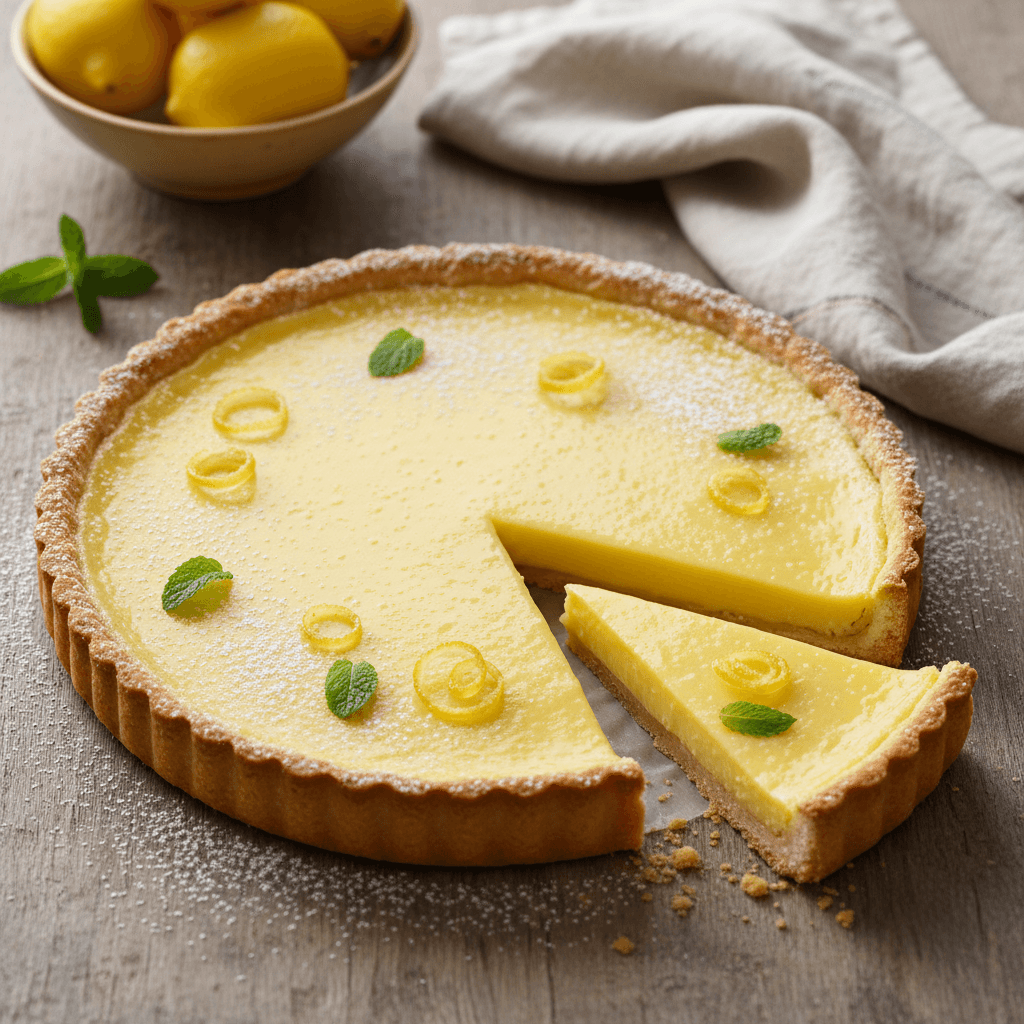
Classic French Lemon Tart (Tarte au Citron)
A bright and tangy classic French lemon tart, featuring a buttery, crumbly pâte sablée crust filled with a silky smooth, intensely lemon-flavored custard. This elegant dessert is a refreshing finish to any meal, embodying the sophistication of French patisserie. The lemon tart, or Tarte au Citron, is a quintessential French pastry, evolving from simpler fruit tarts into the refined dessert known today. While fruit tarts have existed for centuries, the specific preparation of a creamy, intensely flavored lemon curd set within a delicate sweet pastry became a hallmark of French patisserie in the 19th and 20th centuries, celebrated for its exquisite balance of sweetness and acidity.
Ingredients
- 250 g All-purpose flour
- 125 g Unsalted butter (cold, cubed)
- 50 g Powdered sugar
- 1 large Egg yolk
- 1 2 tbsp (as needed) Cold water
- 1 pinch Pinch of salt
- 4 whole Large eggs
- 150 g Granulated sugar
- 2 tbsp (from 3-4 lemons) Lemon zest
- 120 ml (from 3-4 lemons) Fresh lemon juice
- 100 g Unsalted butter (cold, cubed)
Instructions
- 1
**Prepare the Pâte Sablée**: In a large bowl, whisk together flour, powdered sugar, and salt. Add the cold butter and cut it into the flour using a pastry blender or your fingertips until the mixture resembles coarse crumbs.
- 2
**Form the Dough**: Add the egg yolk and 1 tablespoon of cold water. Mix until the dough just comes together, adding more water a teaspoon at a time if needed. Do not overmix. Flatten into a disk, wrap in plastic, and refrigerate for at least 30 minutes.
- 3
**Blind Bake the Crust**: On a lightly floured surface, roll out the chilled dough to a 1/8-inch thickness. Carefully transfer it to a 9-inch tart pan with a removable bottom. Press the dough into the fluted sides and trim any excess. Prick the bottom with a fork, line with parchment paper, and fill with pie weights or dried beans. Bake at 180°C (350°F) for 15 minutes. Remove weights and parchment, then bake for another 5-7 minutes until lightly golden. Let cool.
- 4
**Prepare the Lemon Filling**: In a heatproof bowl, whisk together eggs, granulated sugar, lemon zest, and lemon juice. Place the bowl over a saucepan of simmering water (bain-marie), ensuring the bottom of the bowl does not touch the water.
- 5
**Cook the Filling**: Whisk continuously for 8-10 minutes, until the mixture thickens enough to coat the back of a spoon and reaches 80-82°C (175-180°F). Do not boil.
- 6
**Finish the Filling**: Remove from heat. Add the cold, cubed butter, a few pieces at a time, whisking until fully incorporated and the filling is smooth and glossy. For an extra silky texture, strain the filling through a fine-mesh sieve into a clean bowl.
- 7
**Assemble and Bake the Tart**: Pour the warm lemon filling into the cooled, blind-baked tart shell. Carefully transfer the tart to the oven. Bake at 150°C (300°F) for 15-20 minutes, or until the edges are set and the center has a slight jiggle.
- 8
**Chill the Tart**: Remove from the oven and let cool completely on a wire rack. Refrigerate for at least 3-4 hours, or preferably overnight, before serving. This allows the filling to fully set.
- 9
**Serve**: Garnish with a dusting of powdered sugar, fresh berries, or candied lemon slices if desired.
Chef's Tips
- •Storage: Store leftover lemon tart covered in the refrigerator for up to 3-4 days. It is best enjoyed chilled.
- •Substitution: For a different citrus twist, substitute half of the lemon juice and zest with lime or grapefruit. You can also use an all-butter puff pastry for a quicker, flakier crust, though it deviates from the classic Pâte Sablée.
- •Perfect Pastry: To prevent the tart crust from shrinking, ensure your butter and water are very cold, and avoid overworking the dough. Chilling the dough thoroughly before rolling and blind baking is crucial for a tender, stable crust.
- •Fun Fact: Historically, lemon tarts were often served with meringue on top, leading to the creation of what we now know as Lemon Meringue Pie. However, the classic French Tarte au Citron is traditionally served without the meringue, highlighting the pure, unadulterated lemon flavor.
Recommended Equipment
As an Amazon Associate, we earn from qualifying purchases.
Reviews
Sign in to leave a review.
No reviews yet. Be the first!
More Desserts - Cakes & Pastries Recipes
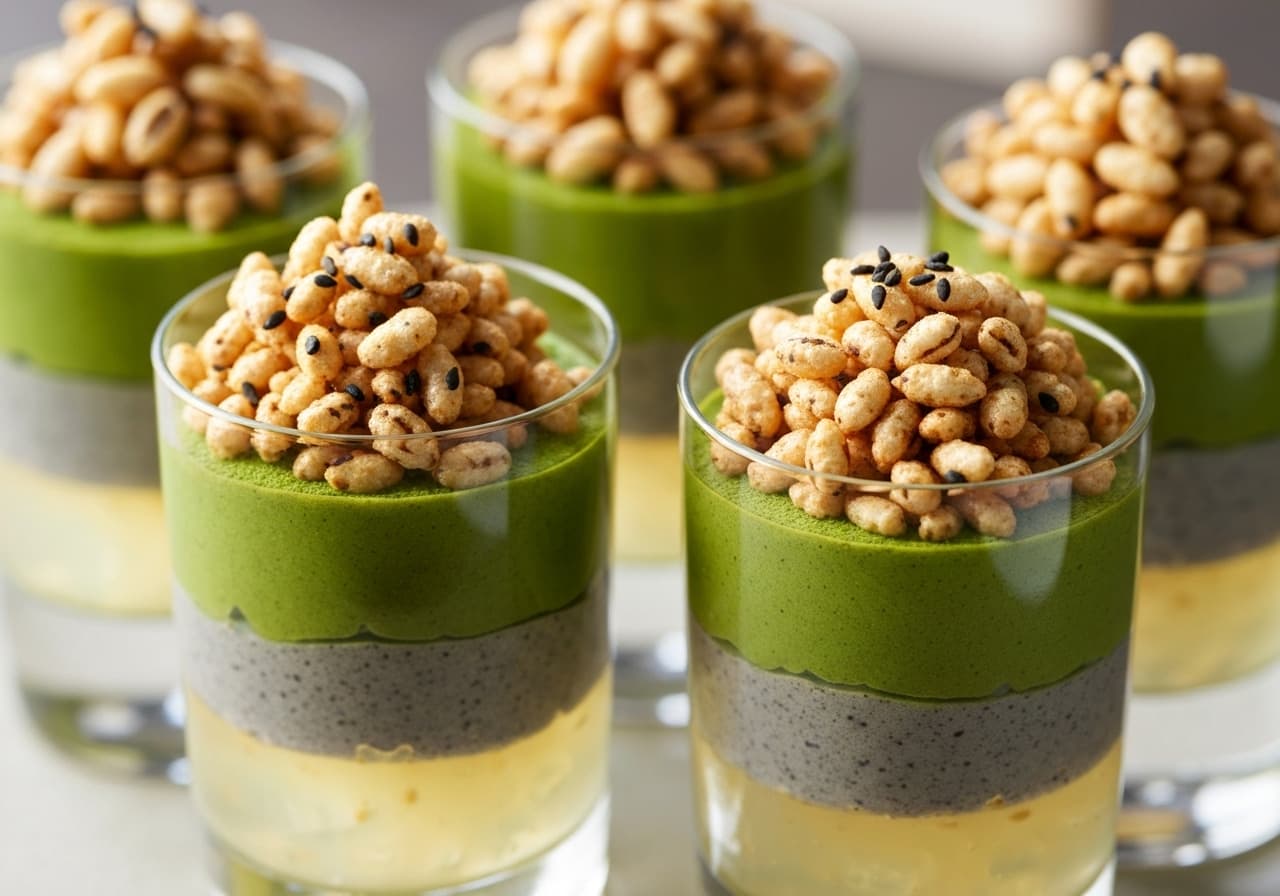
Matcha and Black Sesame Mousse Parfait, Yuzu Jelly, and Puffed Rice Crumble
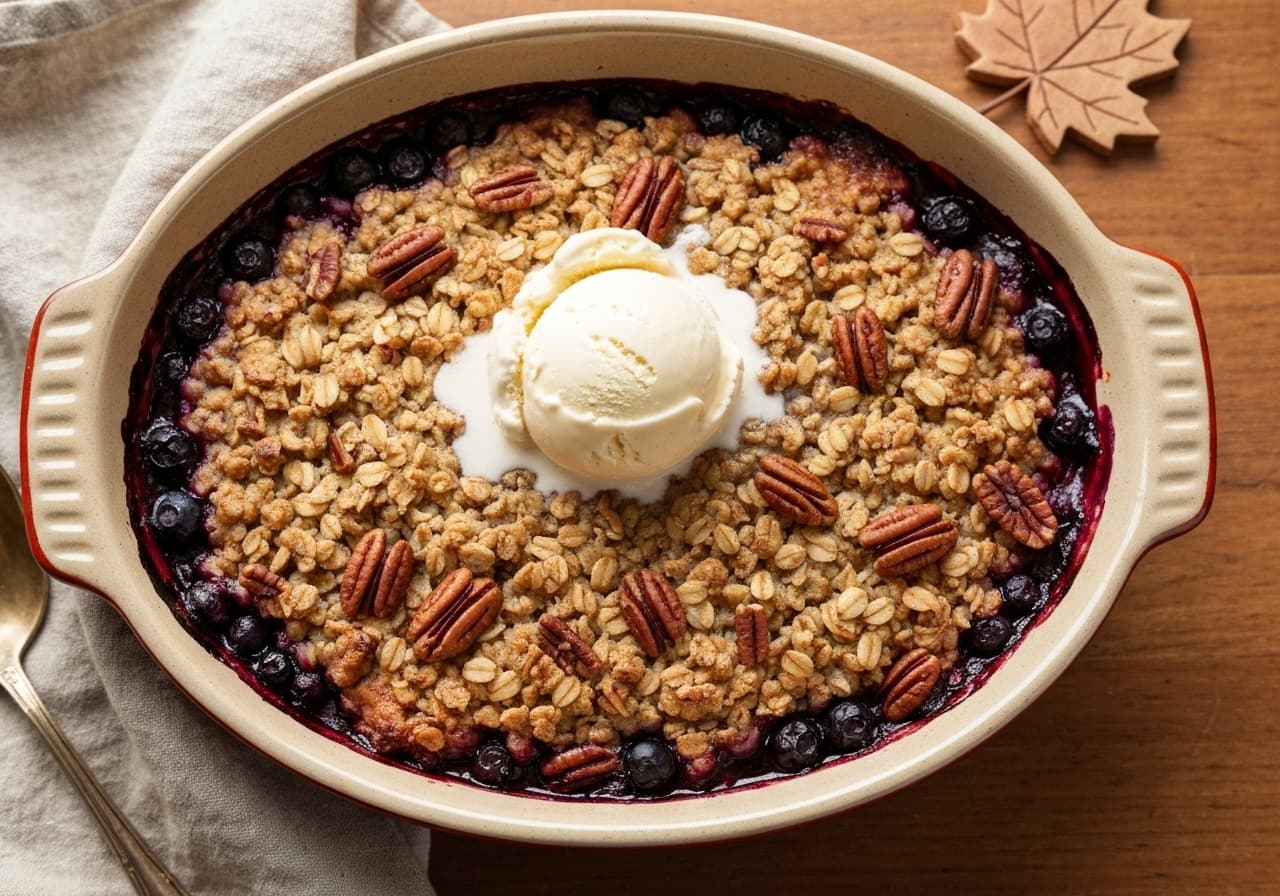
Boreal Wild Blueberry and Maple Crisp
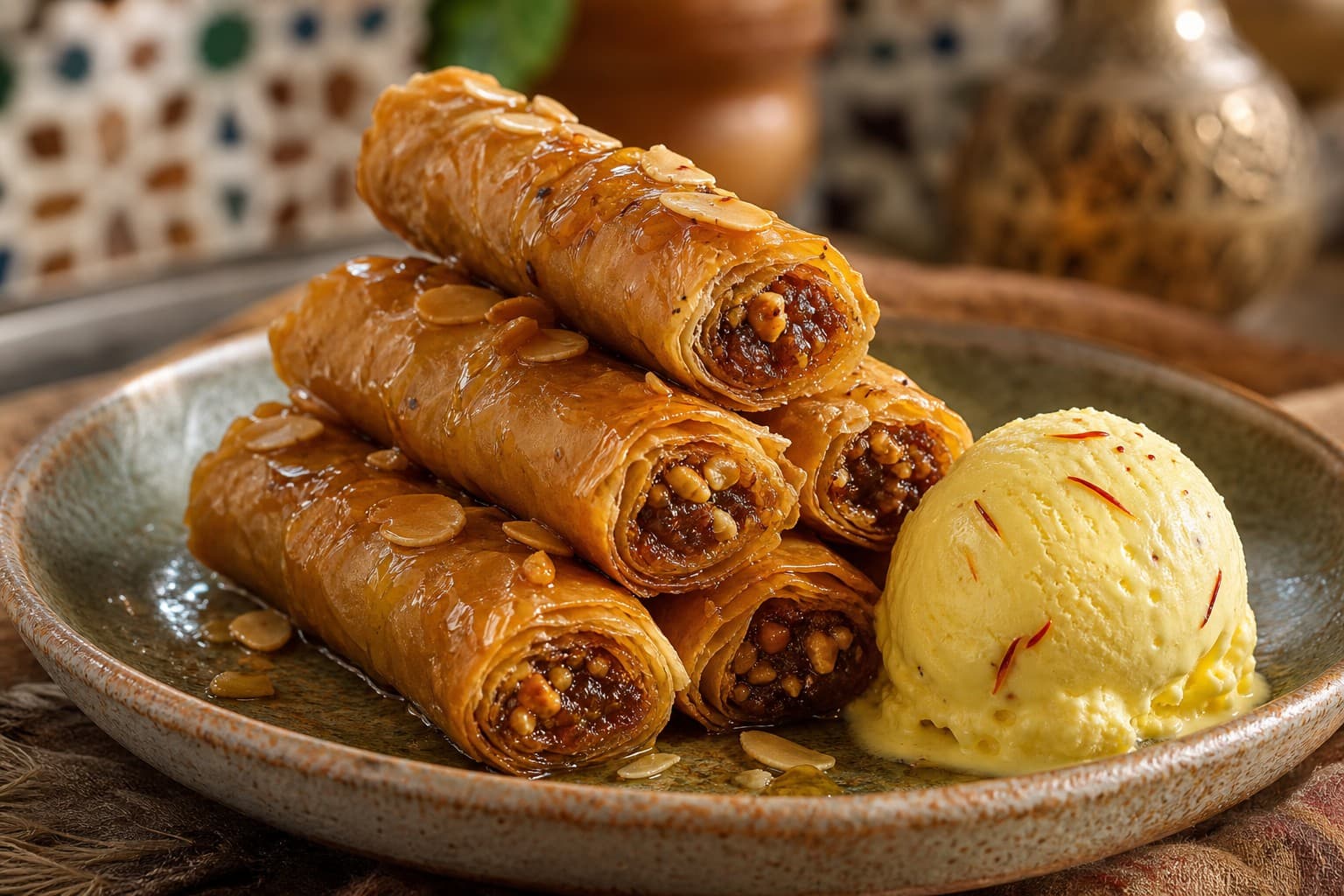
Almond and Date Cigars with Honey-Orange Blossom Glaze, Served with Saffron Ice Cream