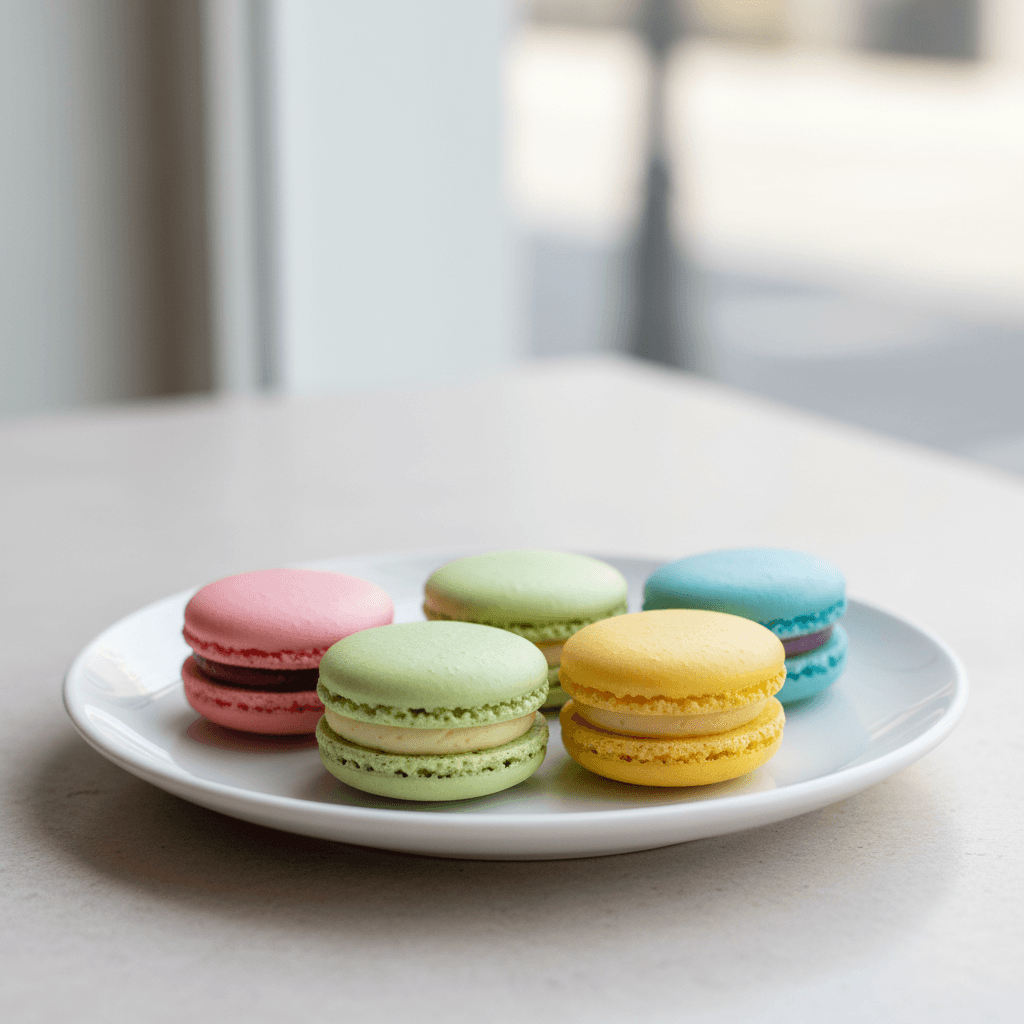
Classic French Macarons with Chocolate Ganache
Macarons are exquisite French confections, celebrated for their delicate almond meringue shells and rich, flavorful fillings. A cornerstone of French patisserie, these notoriously challenging but rewarding cookies feature a characteristic 'foot' and offer a delightful textural contrast of crisp exterior and chewy interior, often vibrantly colored.
Ingredients
- 120 g Finely ground almond flour
- 120 g Powdered sugar (confectioners' sugar)
- 110 g Granulated sugar (superfine preferred)
- 90 g Egg whites (from ~3 large eggs, aged if possible)
- 0.25 tsp Cream of tartar (optional, for meringue stability)
- 3 drops Gel food coloring (optional)
- 100 g Dark chocolate (min. 60% cocoa, for ganache)
- 100 ml Heavy cream (for ganache)
- 10 g Unsalted butter (optional, for ganache sheen)
Instructions
- 1
**Prepare Dry Ingredients:** Sift the almond flour and powdered sugar together at least twice into a bowl to remove any lumps. Set aside.
- 2
**Make the Meringue:** In a very clean, grease-free stand mixer bowl, whisk the room temperature egg whites with an electric mixer on medium speed until foamy. Add the cream of tartar (if using).
- 3
**Whip Meringue:** Gradually add the granulated sugar, 1 tablespoon at a time, while continuing to whisk on medium-high speed. Once all sugar is incorporated, increase speed to high and beat until stiff, glossy peaks form. If desired, add a few drops of gel food coloring and mix until just combined.
- 4
**Macaronage:** Gently fold the sifted dry ingredients into the meringue in three additions using a rubber spatula. Fold using a 'J' motion, scraping the sides and bottom of the bowl, until the batter flows like 'lava' or a thick ribbon when lifted, but isn't too runny. This crucial 'macaronage' stage determines the final texture and 'foot' of the macaron.
- 5
**Pipe Shells:** Transfer the macaron batter to a piping bag fitted with a round tip (e.g., Wilton 1A). Pipe uniform 1.5-inch circles onto baking sheets lined with parchment paper or silicone mats, leaving adequate space between each.
- 6
**Tap and Rest:** Firmly tap the baking sheets on the counter 2-3 times to release any trapped air bubbles. Use a toothpick to pop any remaining visible bubbles. Let the piped macarons rest at room temperature for 30-60 minutes, or until a 'skin' forms on top and they are no longer sticky to the touch. This step is essential for developing the characteristic 'foot' during baking.
- 7
**Bake Macarons:** Preheat oven to 300°F (150°C). Bake one tray at a time for 12-15 minutes, rotating halfway through. The macarons are done when the 'foot' has risen, and the shells are stable and don't wobble when gently touched. Avoid opening the oven door frequently.
- 8
**Cool & Prepare Ganache:** Let the macaron shells cool completely on the baking sheet before gently peeling them off. While cooling, prepare the ganache: Heat heavy cream until just simmering, then pour it over the chopped dark chocolate. Let sit for 5 minutes, then stir until smooth. Stir in butter (if using) for extra shine and creaminess. Let cool until spreadable.
- 9
**Assemble:** Match cooled macaron shells of similar size. Pipe or spoon ganache onto the flat side of one shell and gently sandwich with another shell.
- 10
**Mature & Serve:** For best flavor and texture, store assembled macarons in an airtight container in the refrigerator for 24 hours to 'mature.' This allows the filling to soften the shell slightly. Bring to room temperature for 15-30 minutes before serving.
Chef's Tips
- •Accuracy is Key: Macarons are incredibly precise. Use a kitchen scale for all measurements, as even slight variations can impact the outcome.
- •Aged Egg Whites: For a more stable meringue, separate egg whites 24-48 hours in advance and let them sit at room temperature in a covered container. This slightly dehydrates them.
- •Master the Macaronage: This is the most critical and difficult step. Practice folding until the batter reaches the perfect 'lava-like' consistency – flowing slowly and smoothly off the spatula in a continuous ribbon.
- •Oven Calibration: Ovens vary significantly. Using an oven thermometer is highly recommended, and you may need to adjust baking temperature or time to suit your specific oven.
- •Humidity Matters: Avoid baking macarons on rainy or very humid days, as excess moisture in the air can prevent the shells from drying properly during the resting stage, hindering 'foot' development.
Recommended Equipment
As an Amazon Associate, we earn from qualifying purchases.
Reviews
Sign in to leave a review.
No reviews yet. Be the first!
More Desserts - Cakes & Pastries Recipes
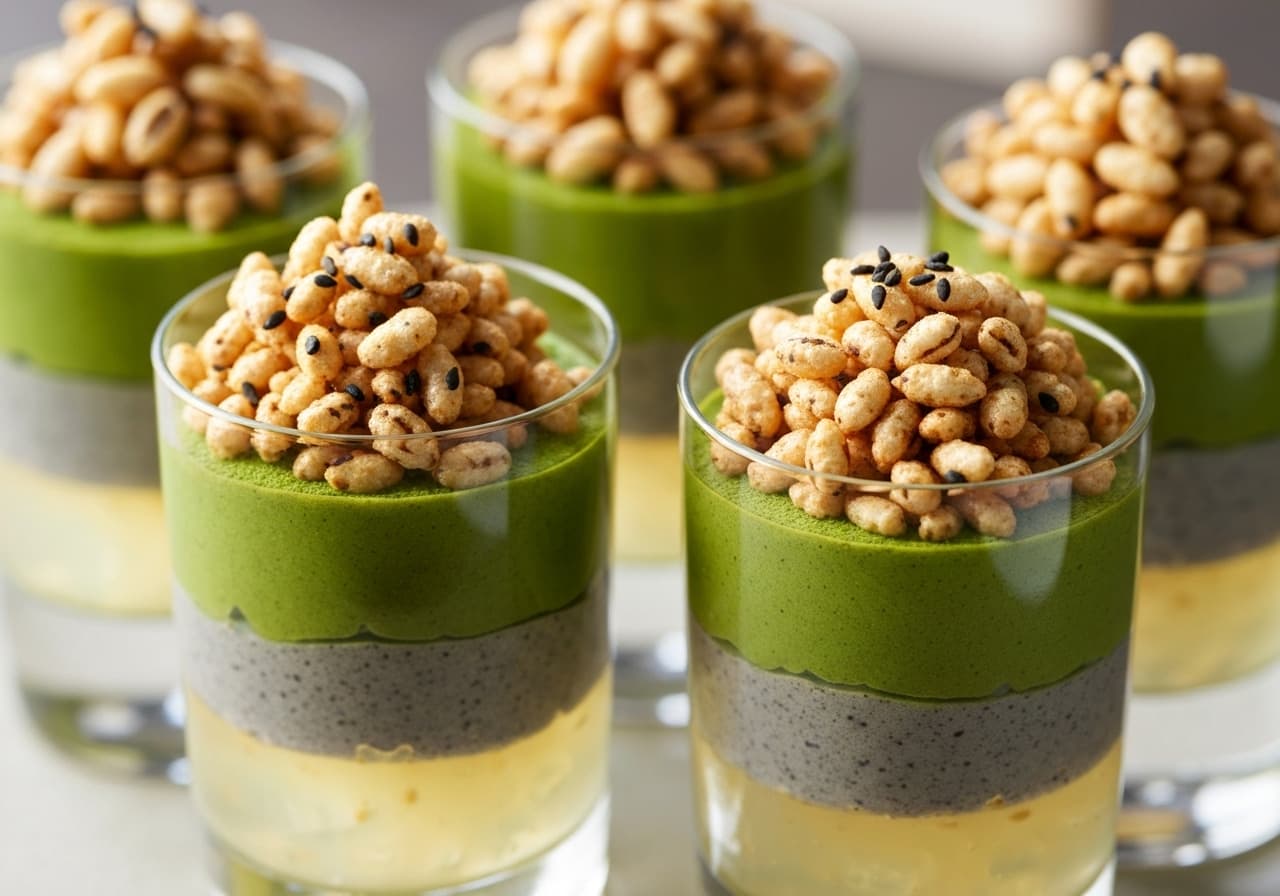
Matcha and Black Sesame Mousse Parfait, Yuzu Jelly, and Puffed Rice Crumble
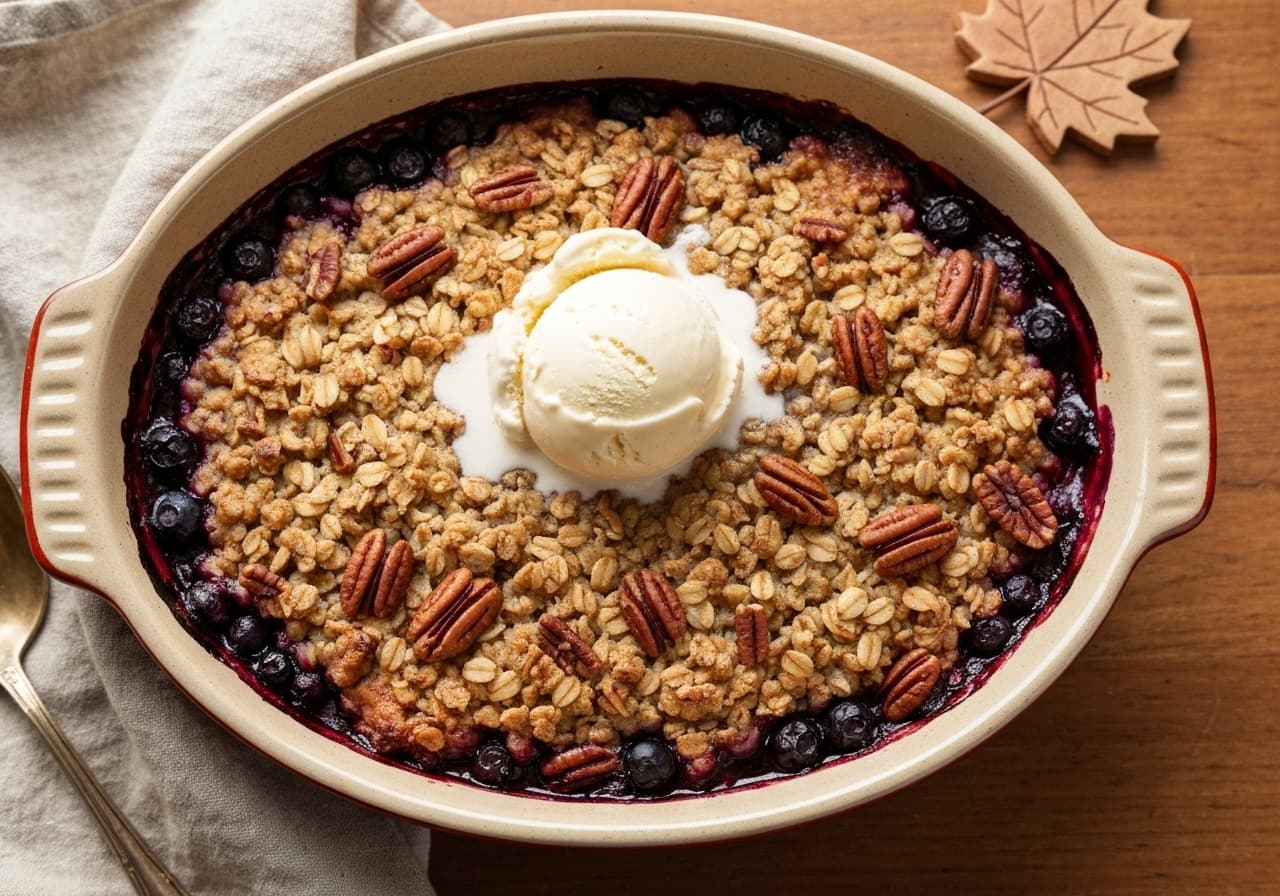
Boreal Wild Blueberry and Maple Crisp
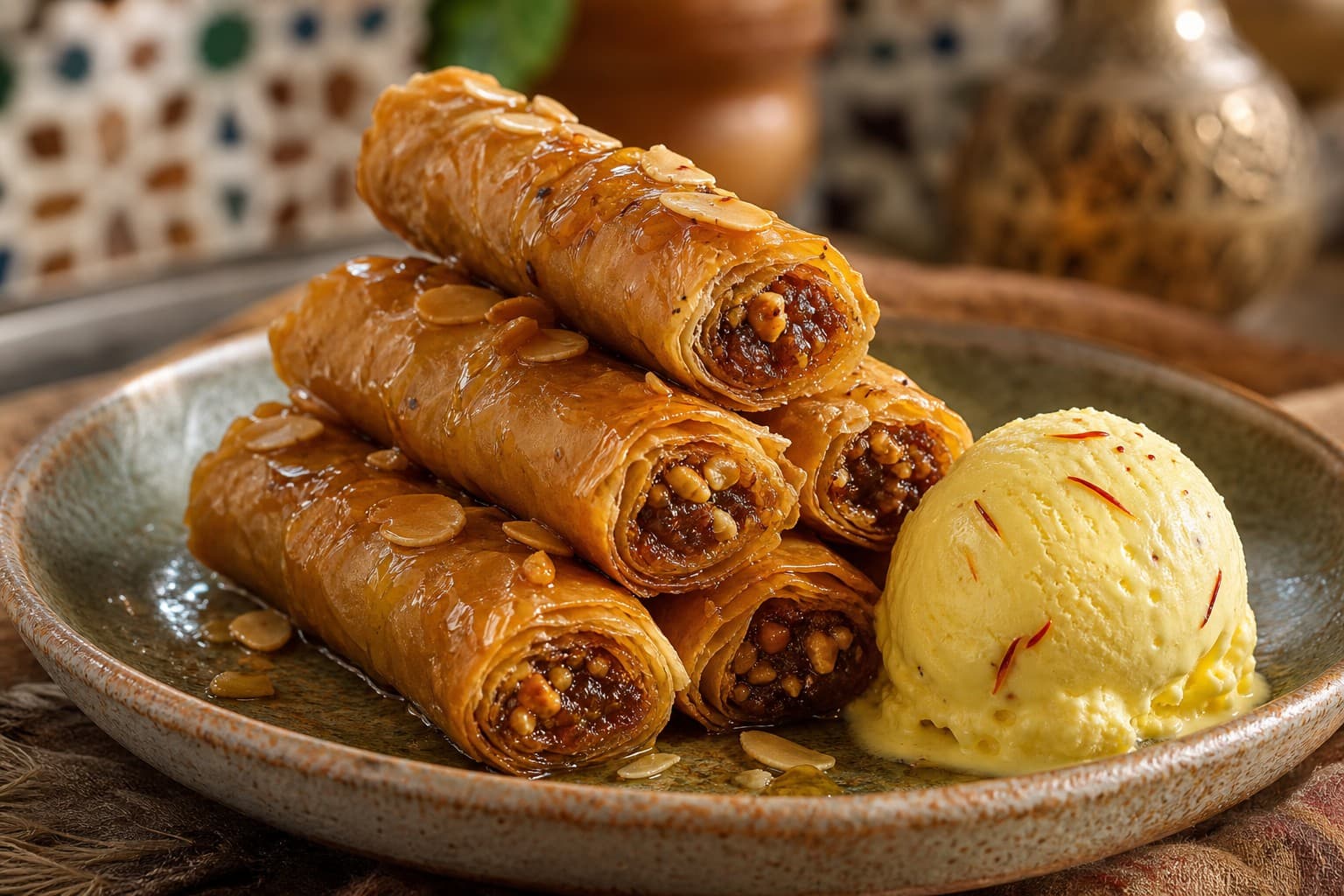
Almond and Date Cigars with Honey-Orange Blossom Glaze, Served with Saffron Ice Cream