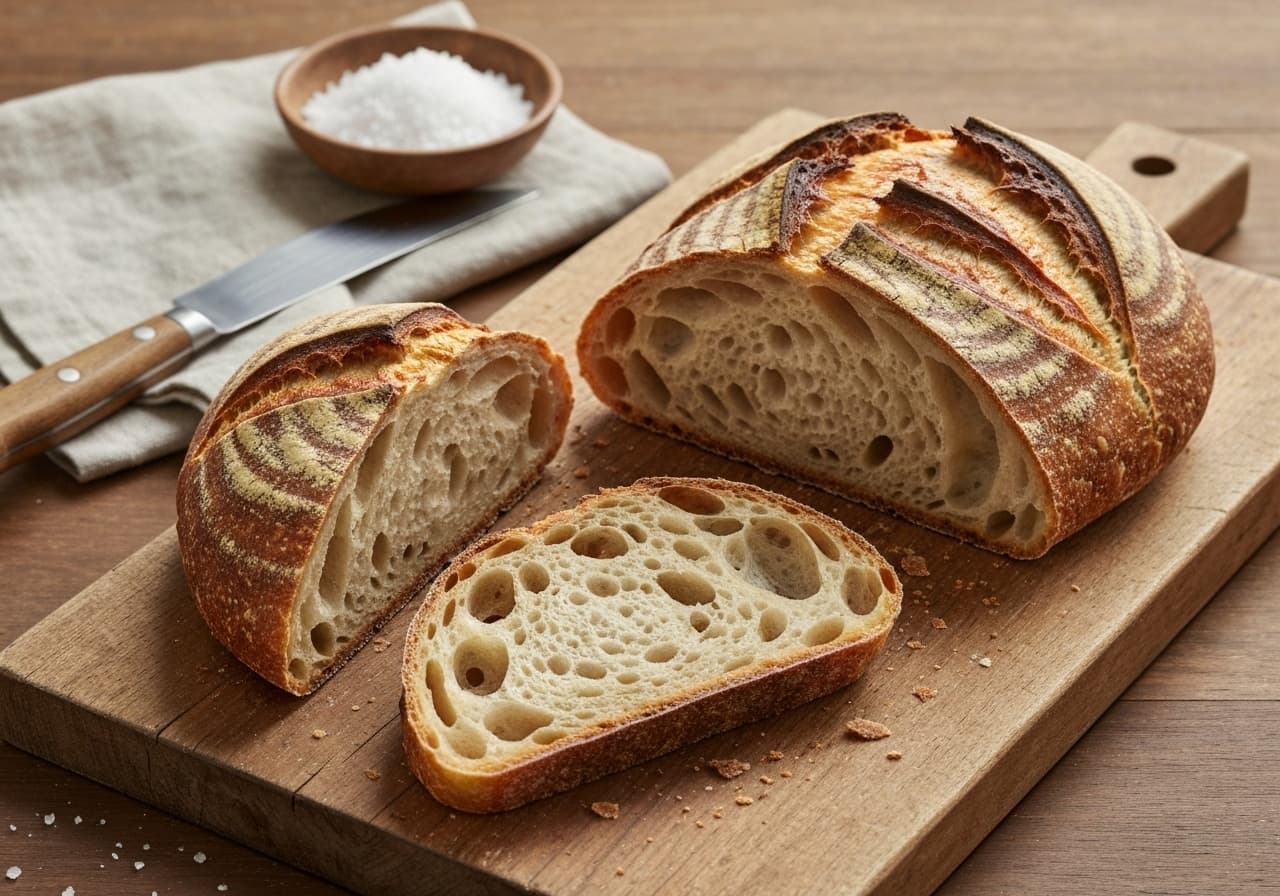
Sourdough Bread (Pain au Levain)
Pain au Levain, meaning 'sourdough bread' in French, is a classic artisan bread renowned for its tangy flavor, chewy texture, and rustic crust. This recipe guides you through creating a beautiful loaf using a natural sourdough starter, perfect for enjoying with meals or as a standalone treat. Pain au Levain holds a revered place in French culinary tradition, representing a return to ancient bread-making techniques. Before the advent of commercial yeast, sourdough was the primary method for leavening bread, giving it a rich history rooted in natural fermentation. It embodies the French appreciation for quality, craftsmanship, and simple, wholesome ingredients.
Ingredients
- 100 grams Active Sourdough Starter (Levain)
- 350 grams Warm Water (for dough)
- 450 grams Strong Bread Flour
- 50 grams Whole Wheat Flour
- 10 grams Fine Sea Salt
Instructions
- 1
**Prepare your Levain:** Ensure your sourdough starter is active and bubbly. Feed it 8-12 hours before starting the dough so it's at its peak activity.
- 2
**Autolyse (Hydration):** In a large bowl, combine the bread flour, whole wheat flour, and warm water. Mix until no dry spots remain. Cover and let rest for 30-60 minutes. This step allows the flour to fully hydrate.
- 3
**Mix Dough:** Add the active levain and salt to the autolysed dough. Incorporate thoroughly by hand, squeezing and folding the dough until the salt is dissolved and the levain is evenly distributed. The dough will be shaggy at first.
- 4
**Bulk Fermentation with Folds:** Cover the dough and let it rest at room temperature (around 72-78°F / 22-25°C). Perform 'stretch and fold' sets every 30-45 minutes for the first 2-3 hours (3-4 sets total). Gently stretch a portion of the dough up and fold it over itself, rotating the bowl after each fold. The total bulk fermentation time can range from 4-6 hours or more, depending on your starter's strength and ambient temperature. The dough should increase in volume by about 30-50% and feel airy.
- 5
**Pre-shape:** Gently turn the dough out onto a lightly floured surface. Using a bench scraper, gently shape the dough into a loose round. Cover with a kitchen towel and let rest for 20-30 minutes (bench rest).
- 6
**Final Shape & Cold Proof:** Lightly flour your work surface again. Gently shape the dough into your desired final shape (bâtard or boule) with good tension. Place the shaped dough seam-side up into a floured banneton or a bowl lined with a floured towel. Cover and refrigerate for 12-18 hours (cold proof).
- 7
**Preheat Oven & Dutch Oven:** About 1 hour before baking, place a Dutch oven with its lid into your oven and preheat to 475°F (245°C).
- 8
**Score & Bake (Covered):** Carefully remove the hot Dutch oven from the oven. Gently invert the cold dough into the Dutch oven. Score the top of the dough with a sharp razor blade or lame. Place the lid back on and bake for 25 minutes.
- 9
**Bake (Uncovered):** Remove the lid from the Dutch oven and continue baking for another 20-25 minutes, or until the crust is deep golden brown and the internal temperature reaches 200-210°F (93-99°C).
- 10
**Cool:** Carefully remove the bread from the Dutch oven and place it on a wire rack to cool completely for at least 2-3 hours before slicing. This allows the crumb to set and prevents a gummy texture.
Chef's Tips
- •Storage: Store Pain au Levain at room temperature in a bread bag or wrapped in a clean kitchen towel for up to 3-4 days. For longer storage, slice and freeze, then toast directly from frozen.
- •Flour Substitutions: Experiment with different flour blends. You can substitute up to 20-30% of the bread flour with rye flour for a denser, more complex flavor, or increase the whole wheat for a nuttier profile.
- •Starter Health: A vigorous, well-fed starter is key to a successful loaf. If your starter seems sluggish, try feeding it more frequently or keeping it in a warmer spot before use.
- •Fun Fact: The distinct tangy flavor of sourdough bread comes from lactic acid bacteria, which not only preserve the bread naturally but also help break down gluten and phytic acid, potentially making it easier to digest for some.
Recommended Equipment
As an Amazon Associate, we earn from qualifying purchases.
Reviews
Sign in to leave a review.
No reviews yet. Be the first!
More Breads & Pastries Recipes
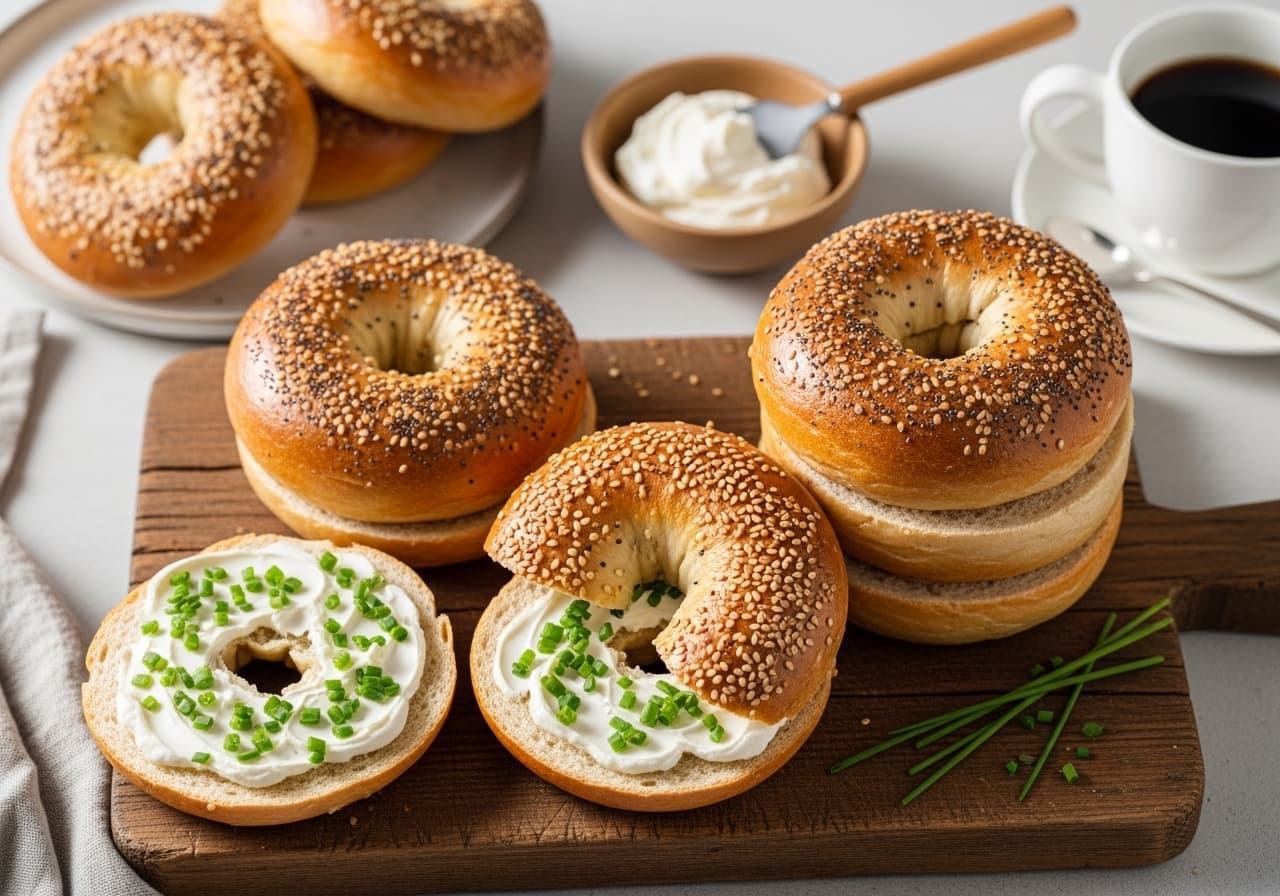
Classic Boiled and Baked Bagels
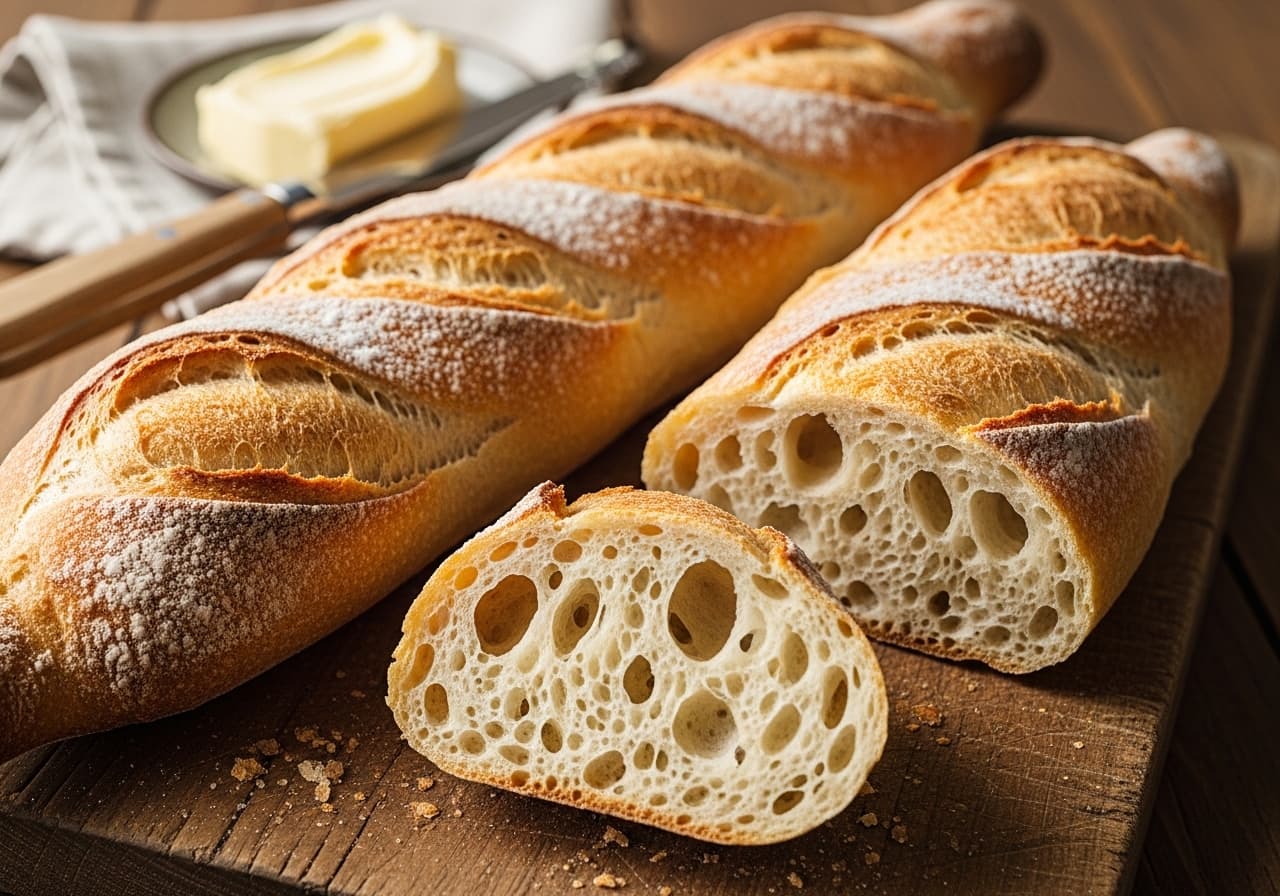
Authentic French Baguette Tradition
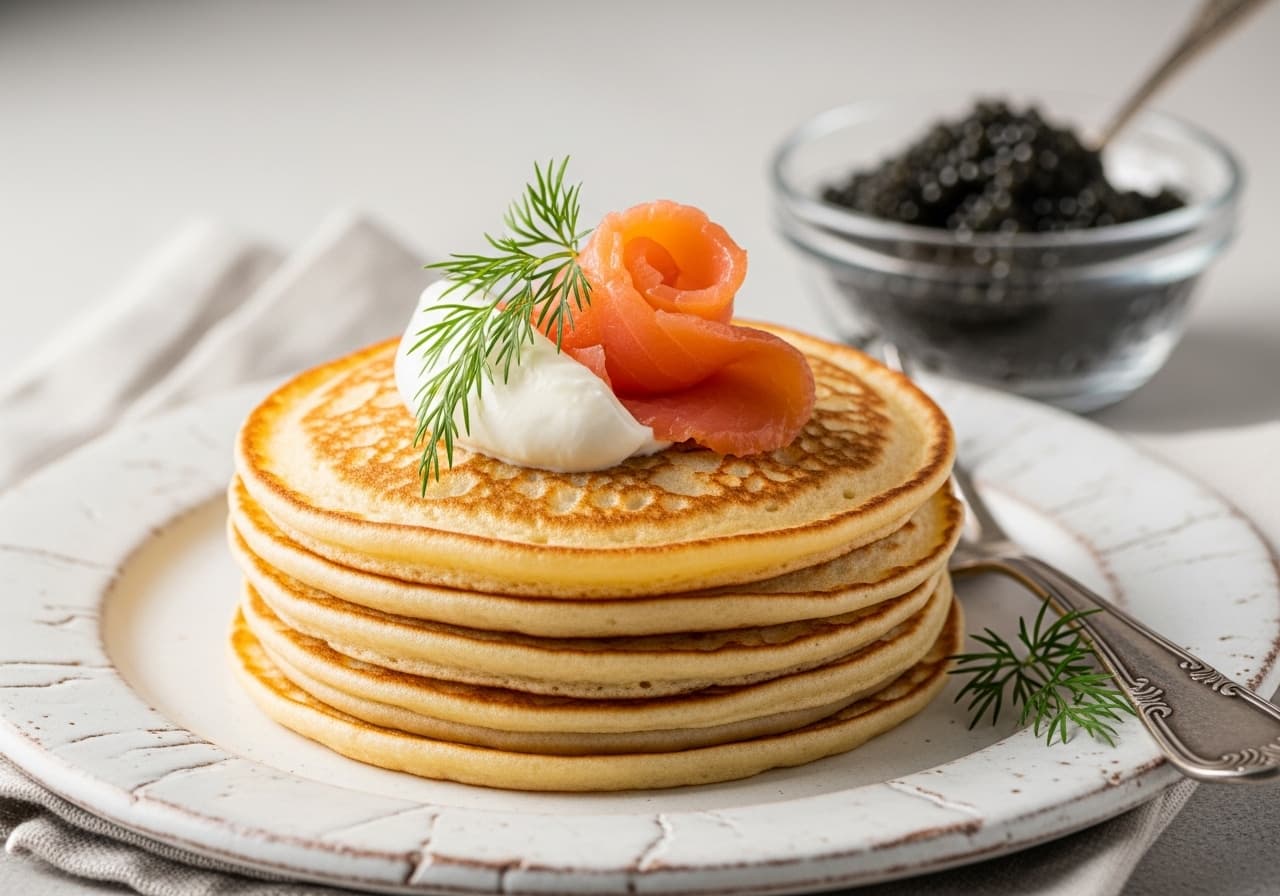
Classic French Blinis